░ 1/13 → 1/30/2026 ░ Tue → Sat 1PM - 6PM ░
DRAW()
Arno Beck / Daniela Kröhnert / Frederik Vanhoutte (wblut) / Jessica In / Studio Lemercier / Julien Gachadoat (v3ga) / Matt Deslauriers
From January 13 to 30, discover the DRAW() group show at Overflow!
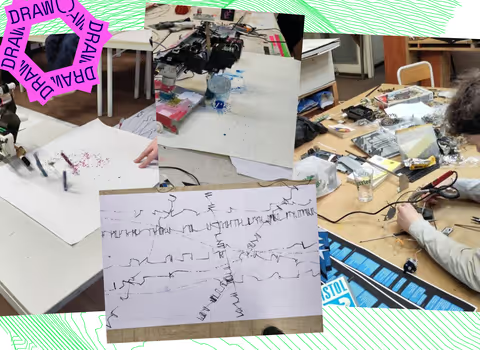
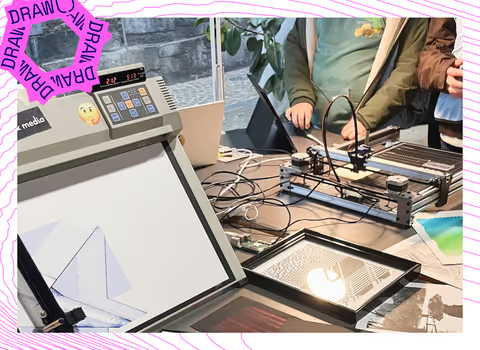
In the 50s and 60s, the first computational artists used drawing machines — or pen plotters — to visualize works that the computers of the time could not yet render on screen.
60 years later, advancements in computing and the democratization of printing have made these slow and impractical machines obsolete. But they have found a new life in the hands of digital artists who see them as a way to make their work, often confined to screens, more tangible, more moving, more human.
Practical Info
- From 13 to 30 January 2026
- Visits: Tuesday to Saturday between 1pm and 6pm
- Free admission
- Opening: Saturday, January 10 at 6:30pm
- Address: Rue Hongrée 6B, 4000 Liège
Group Exhibition
Through the works of 7 Belgian and international artists, the exhibition invites you to discover the practice of generative art (where the work is generated by a semi-autonomous system created by the artist) and pen plotting in all its diversity, both in terms of aesthetics and technique.
Curation: Jonathan Berger / Overflow
With the support of Vetro Editions and the Department of Culture of the City of Liège.
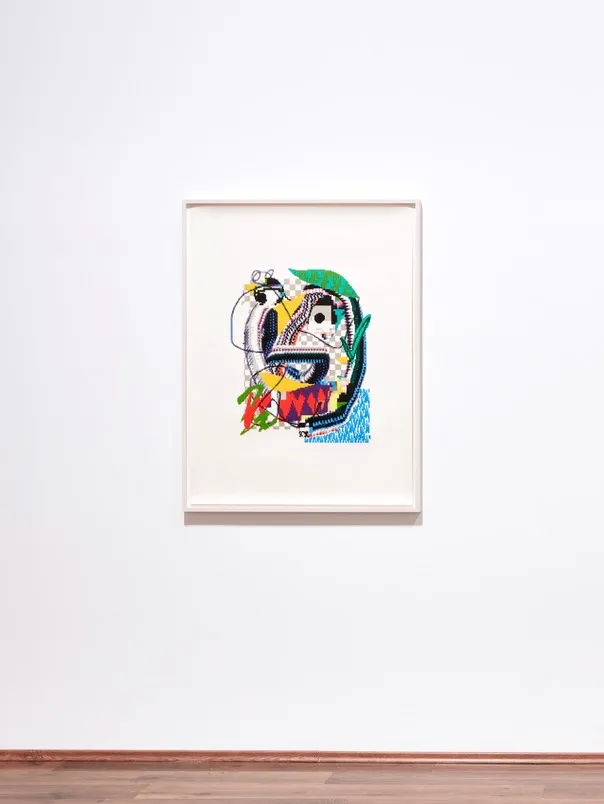
Arno Beck (DE)
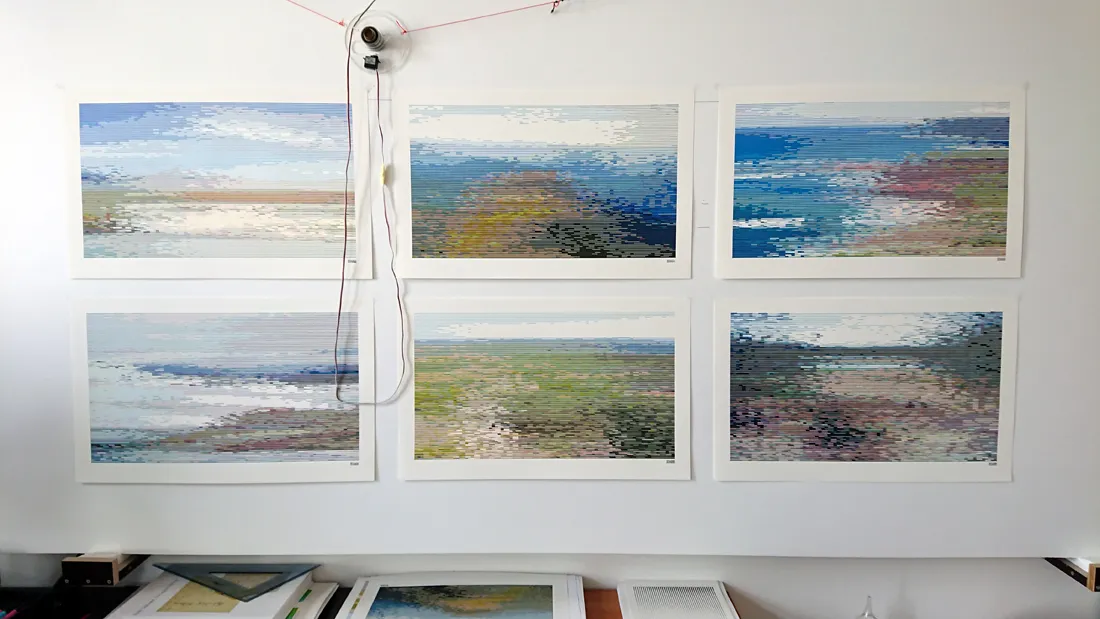
Arno Beck’s prints and conceptual paintings evolve around digital aesthetics and focus on analog production of digital images. Engaging with the language of digital culture the motifs are based on low resolution computer graphics, games and interfaces. It is an interplay between the contemporary digital screen world and traditional techniques.
Daniela Kröhnert (AT)
Daniela Kröhnert is an architectural researcher and artist specializing in digital fabrication.
She studied architecture at the Karlsruhe Institute of Technology in Germany (2004-2008) and graduated with distinction from the University of Applied Arts Vienna (Studio Prix) in 2011. From 2007 to 2014, she gained a wide range of skills, practicing with Coop Himmelb(l)au on international projects.
She has been teaching digital design and making for over a decade at the Technical University of Nuremberg, among others, and currently at the University of Applied Arts Vienna at both the Department for Art Education in Design and Technology / Design, Architecture and Environment, and the Institute of Architecture, besides being responsible for the latter’s Digital Design and Production Lab (ddplab). Additionally, she has been one of the key researchers of the artistic research project Conceptual Joining - Wood Structures from Detail to Utopia, funded by the Austrian Science Fund (FWF), PEEK program.
Her love for CNC technologies and the blurring of digital and physical realms extends into her private practice DARK, where she follows her passion for computational drawing and pen plotting, using HP plotters from the ‘80s as well as self-built machines.
Frederik Vanhoutte (wblut) (BE)
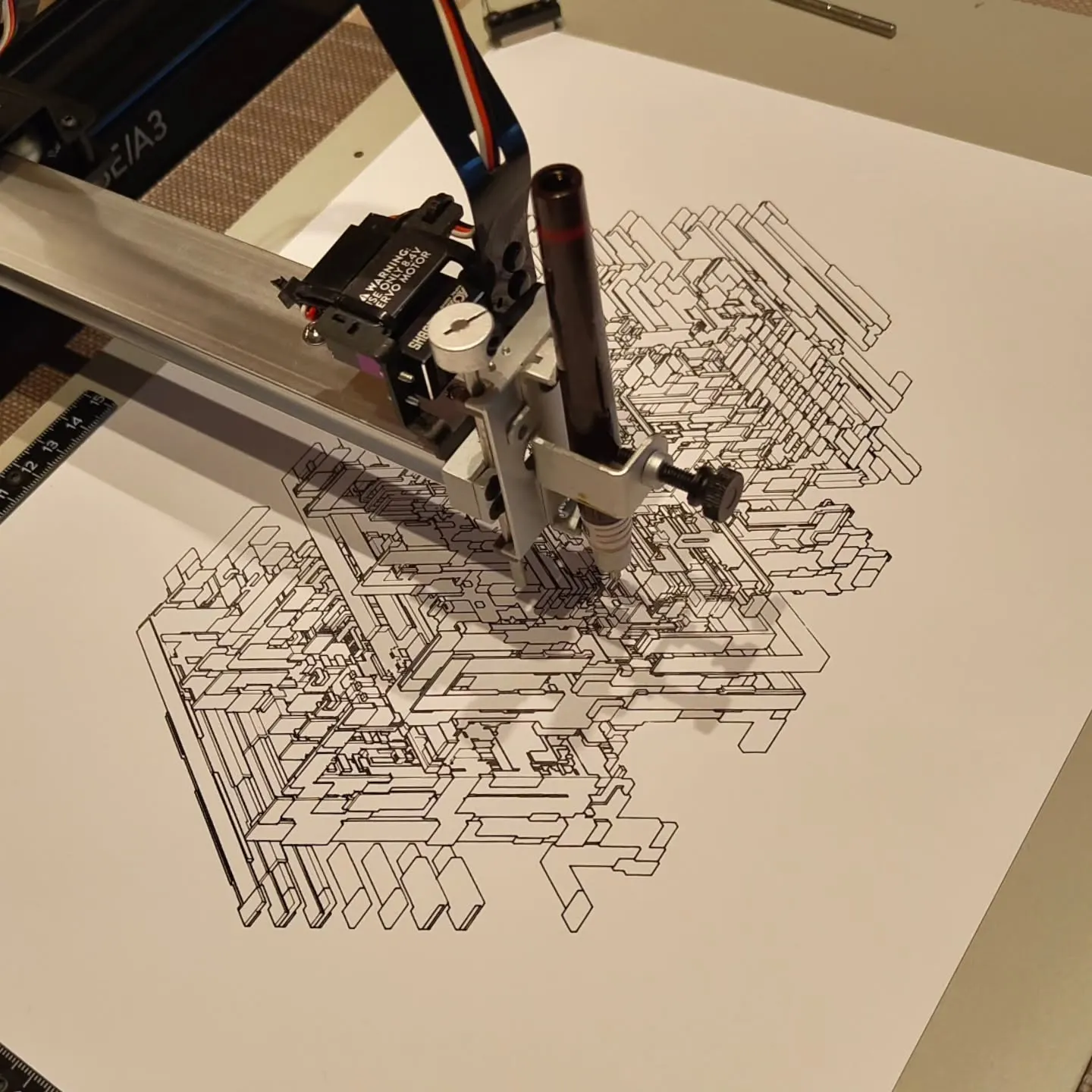
When raindrops hit the windscreen, he imagines alpha particles tracing paths through cells. When he pulls the plug in the bathtub, he watches the whirlpool form. At the kitchen table, he plays with the glasses, the caustics they create. At a candlelit dinner, he finds himself staring into the flame. Sometimes, late at night, he sits in front of the computer. When he finally blinks, a tangled mess of code is generating random structures on the screen. He spends the rest of the night staring.
By day, Frederik leads the medical physics department at an academic hospital in Belgium, collaborating with radiation oncologists, physicists, and nurses to transform medical data into life-saving cancer treatments. By night, he’s a creative coder, straddling the line between art and science, utility and beauty. Driven by his curiosity about physical, biological, and computational systems, he builds digital systems of creation.
Jessica In (UK)
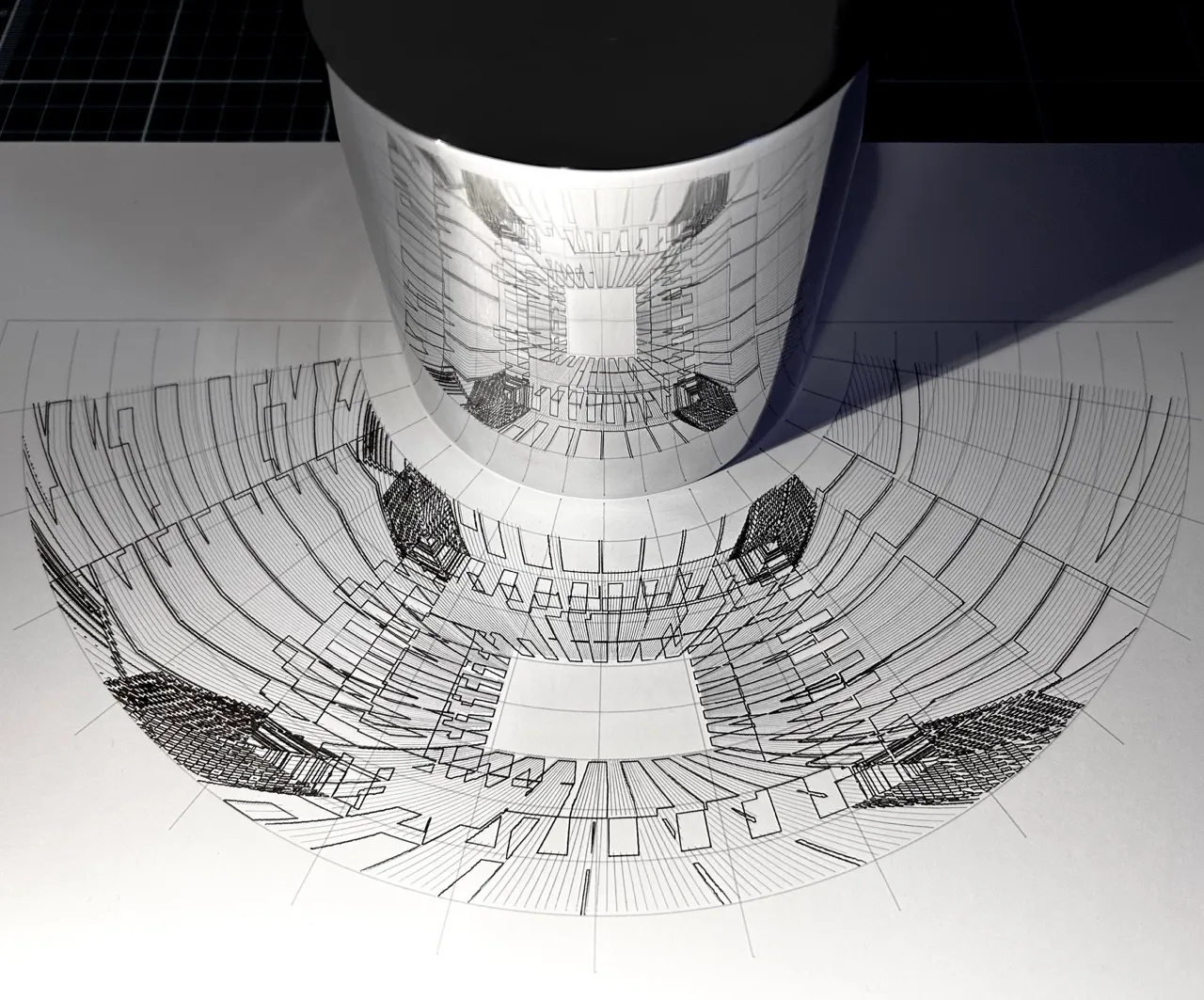
As an Architect, Designer and Coder, Jessica’s work places a particular emphasis on the expressive potential of computation as a means to explore bespoke design. Notions of code, drawing, algorithmic beauty and geometry to explore immaterial and spatial relationships are the core of her work. Currently focusing on architectural representation and machine learning, she is a PhD candidate at the Bartlett School of Architecture where she is also a Lecturer and Co-Programme Director of its MArch Design for Performance and Interaction programme.
Studio Lemercier (BE)
Co-directed by Juliette Bibasse and Joanie Lemercier
Studio Lemercier is co-directed by artist Joanie Lemercier and by independent curator Juliette Bibasse. The duo and their team is based in Brussels, working primarily with projections of light in space. The studio’s practice seeks to escape from the screen by using unconventional surfaces such as water mist or other custom structures. Much of the work is inspired by nature and reflects on the representation of the natural world through code, mathematics, sciences, and technologies. This fascination for nature goes hand in hand with Joanie Lemercier’s personal commitment to environmental activism, which in turn informs the work of the studio. Over the last 15 years, Joanie Lemercier has worked on stage designs, architectural projections, and installations, collaborating with artists including Jay-Z, Flying Lotus and Portishead’s Adrian Utley. The first large monographic exhibition of the studio, ‘Paisajes de Luz’ was commissioned in 2021 by Fundaćion Telefónica Madrid and has since been exhibited in Mexico City, Lima, Arequipa and Le Havre. Studio Lemercier took part in many group exhibitions and light festivals worldwide. After being an artists producer for over 10 years, Juliette Bibasse is a curator since 2018. She has been invited by several international festivals (Eindhoven, Montreal, Barcelona,…). Since 2020, she is curating a light art walk for the city of Leuven (BE). In 2019 she co-founded SALOON Brussels, an international network of women working in the art. She is as an active member of Belgium and France’s digital arts scenes.
Julien Gachadoat (v3ga) (FR)
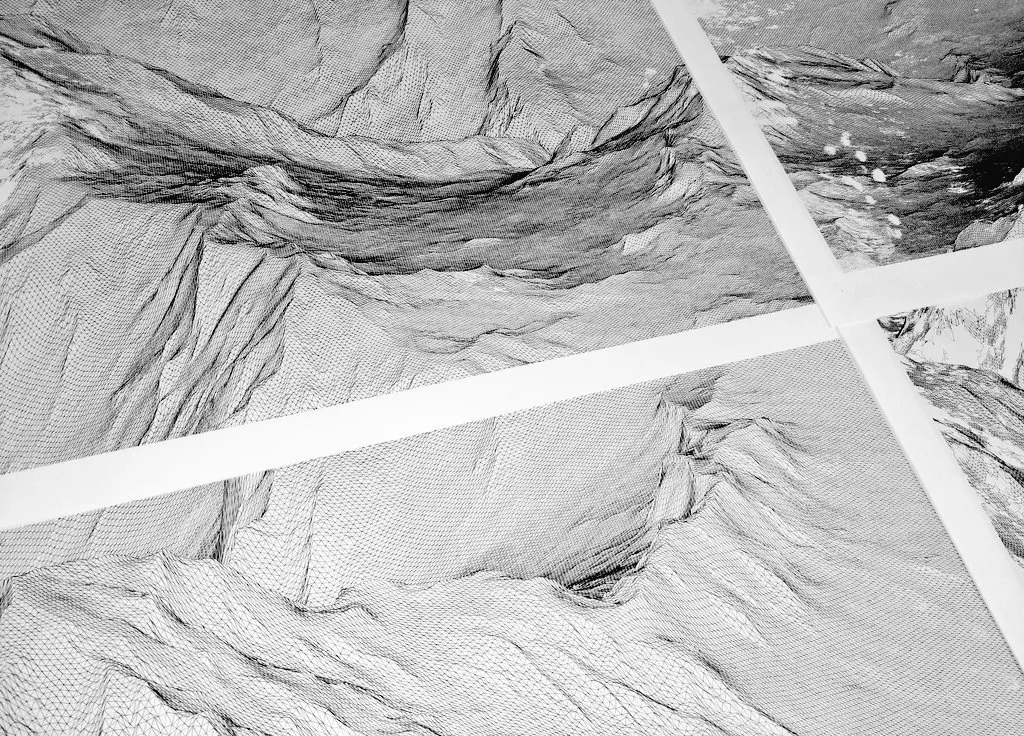
Julien Gachadoat (aka v3ga) has been exploring generative drawing for many years. He grew up in the 90s amid the avant-garde demo scene, making visuals with code. Ever since, programming languages have been his creative tool.
Creating unique art with algorithms, he works with the emergence of abstract form. Combining monochrome, geometric shapes, he plays with repetition, using random operations to generate an element of surprise. Julien Gachadoat uses the computer - “this unique performer” (Vera Molnár) - to develop his own creative tools based on simple graphic rules, and then to explore the formal possibilities that ensue. By printing these unique pieces with a plotter, he creates a link between text and code, between computer and pencil, and between the rigour of code and the poetry of art. “To leave a unique mark, aesthetically palpable, that is not in defiance, but rather in aid of the digital”: this is his philosophy.
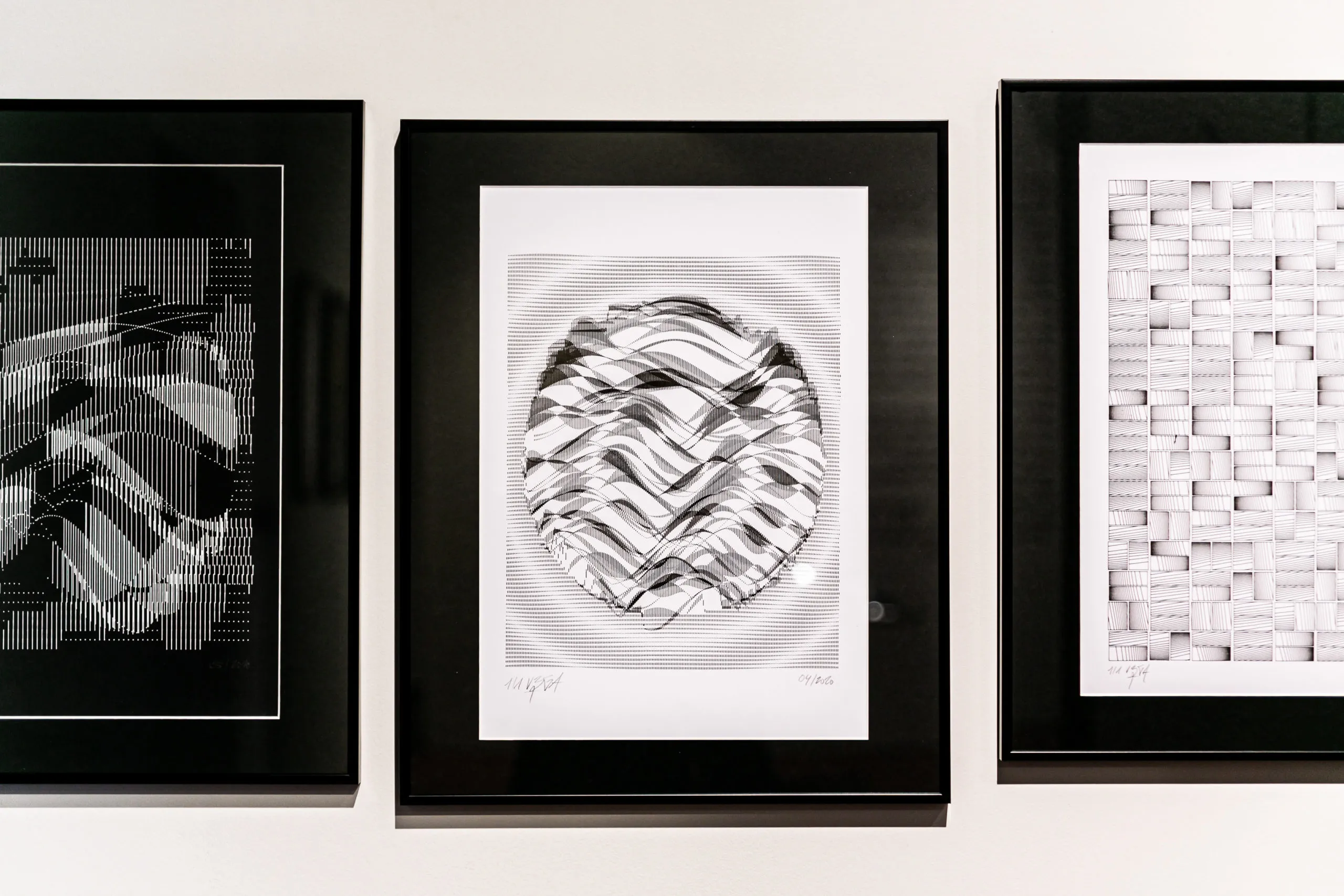
Credits: Benoît Cary
Matt Deslauriers (CA / UK)
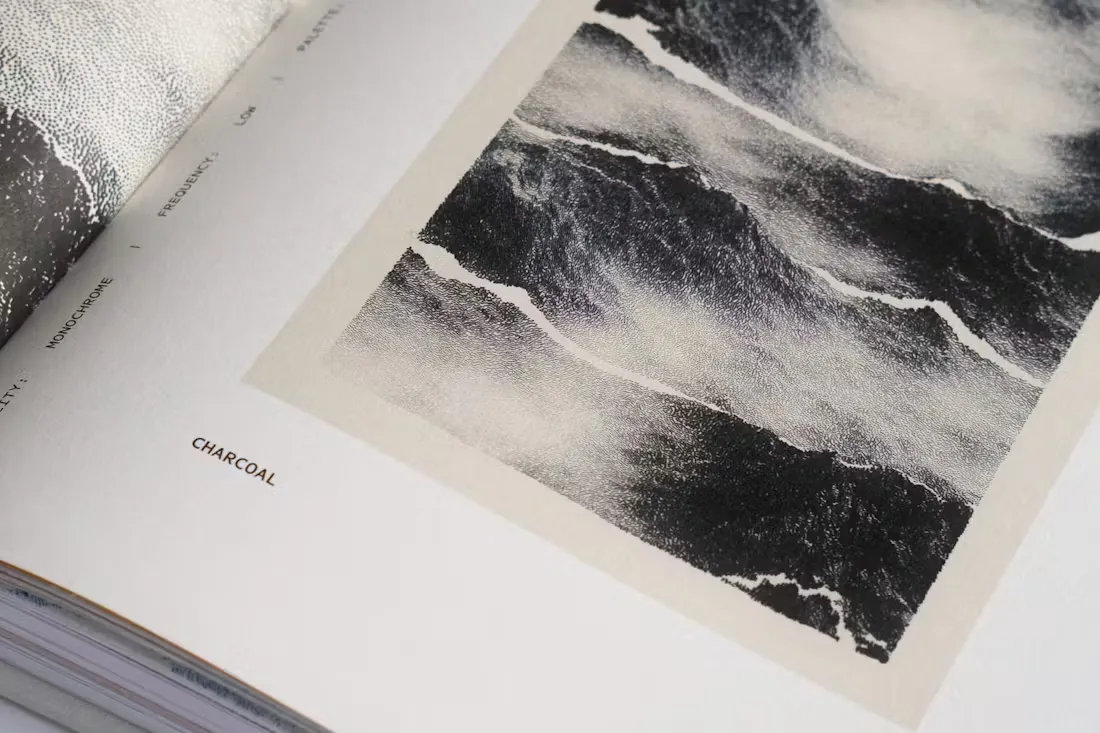
Matt DesLauriers is a Canadian-born artist now based in the United Kingdom. His practice focuses on a playful exploration of code as a creative medium, often driven by emergent, generative, and algorithmic processes. His work has been exhibited internationally, including at Somerset House in London, Paris Photo in France, Kunsthalle Zürich in Switzerland, MoCA Taipei in Taiwan, and Art Basel in Miami and Hong Kong. Matt is active in the open source community and has given numerous talks, classes and workshops on creative coding. Matt is now pursuing a PhD at UAL in London, researching colour, perception, and machine learning within the context of computer art.
Programme
As part of this cycle, Overflow will also host a workshop (10/01), a plot party (17/01) and a movie projection (21/01). More info below!